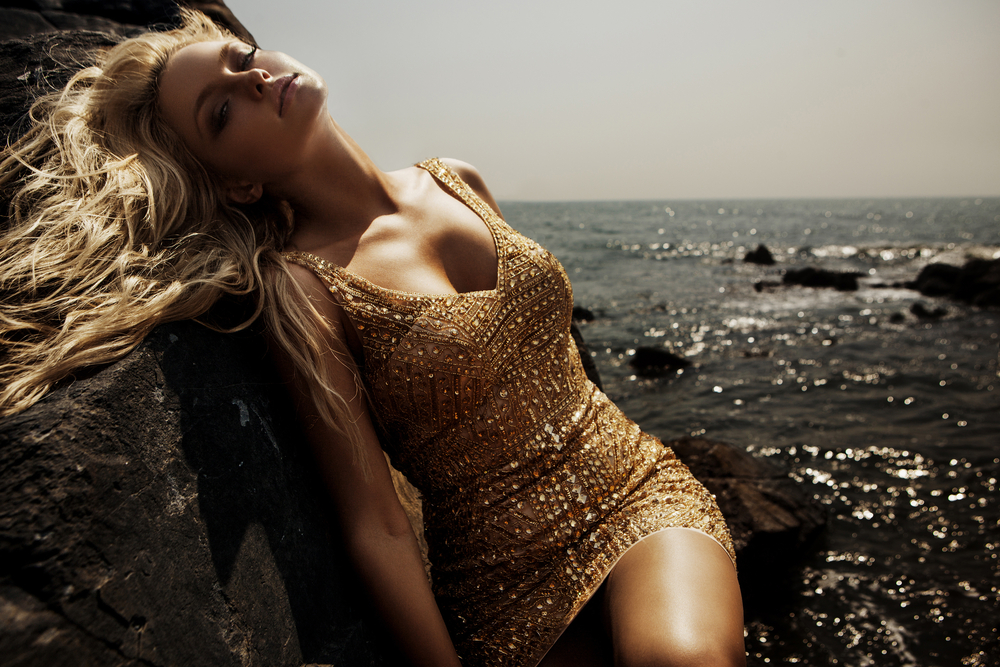
Fashion has always been an enchanting world of creativity, allure, and power. It is where the best designers, photographers, stylists, and models come together to create breathtaking images that speak volumes. At the heart of this world is the art of modeling , a skill that goes beyond the glamorous façade and reveals the true dedication and hard work that lies behind every successful photoshoot. In this article, we will peel back the layers and uncover the secrets and skills of the fashion industry in photoshoots.
The world of modelling may appear effortless and glamorous from the outside, but it requires a unique set of skills and qualities to succeed. From striking the perfect pose to showcasing the latest fashion trends, models are the canvas on which the designers' visions come to life. Let's dive into the art of modeling and explore the key elements that make it an integral part of the fashion industry.
The Perfect Pose: Capturing the Essence of Fashion
One of the fundamental skills of modeling is the ability to strike the perfect pose. Models must demonstrate a deep understanding of their body, its angles, and how to showcase the clothes they are wearing. The art of posing involves conveying different emotions, moods, and concepts through body language and facial expressions. Each photoshoot brings a distinct vision, and models must quickly adapt and embody the desired aesthetic.
Fashion Trends: Portraying Style and Innovation
Models are not just individuals walking down the runway or posing for a photo; they are trendsetters and style icons. They have the power to influence and shape the future of fashion. From high fashion to street style, models must understand and embody the latest trends. They need to bring life and personality to the garments they wear, creating a visual narrative that captivates the viewer's imagination.
Body Movement: Mastering Fluidity and Grace
The way a model moves is an art form in itself. Fashion photography often involves capturing movement, whether it's a flowing dress caught by the wind or a model striding down the runway. Models must possess the ability to move gracefully, with fluidity and control. They must understand how their body moves through space, making even the simplest action look effortlessly elegant.
Expressive Eyes: Telling a Story
The eyes are often referred to as the windows to the soul, and in modeling, they play a crucial role in storytelling. Models must learn to convey emotions and narratives through their eyes, captivating the viewer and leaving a lasting impression. Whether it's conveying confidence, vulnerability, or mystery, the eyes have the power to communicate messages beyond words. They are a tool that every successful model masters.
Chameleon-like Adaptability: Versatility in the Fashion World
The fashion industry is a constantly evolving landscape, where versatility is highly valued. Models need to adapt to a wide range of styles, from high fashion editorials to commercial campaigns. They must be able to transform themselves and showcase the designer's vision while still maintaining their unique identity. Versatility is a skill that allows models to thrive in a fast-paced and ever-changing industry.
Frequently Asked Questions:
Q1: How can someone start a career in modeling?A1: Starting a career in modeling involves building a strong portfolio, attending castings and auditions, and networking within the industry. It's important to research reputable agencies and seek professional guidance to navigate the competitive world of modeling.
Q2: What are some tips for posing in front of the camera?
A2: Practice in front of a mirror, study the movements and poses of experienced models, and work on your body awareness. Experiment with different angles and expressions to find what works best for you.
Q3: Is height a requirement for becoming a model?
A3: While height is traditionally a requirement in high fashion, the industry is becoming more diverse and inclusive. There are opportunities for models of all heights and sizes, especially in commercial and plus-size sectors.
Q4: How do models prepare for photoshoots and fashion shows?
A4: Models prioritize self-care and maintain a healthy lifestyle by exercising regularly, eating balanced meals, and getting enough rest. They also research the brand or designer they will be working with to understand the desired look and concept.
Q5: What challenges do models face in the industry?
A5: Models face challenges such as fierce competition, rejection, and maintaining a healthy body image. It's important to develop resilience, professionalism, and a supportive network to navigate the ups and downs of the industry.
In conclusion, the art of modeling encompasses much more than what meets the eye. Behind every stunning photograph or fierce runway strut, there is hard work, skill, and an understanding of the fashion industry's ever-changing landscape. Models are the bridge between the designer's vision and the audience's imagination. They are the silent storytellers who bring fashion to life. Whether it's striking the perfect pose, showcasing the latest trends, or conveying emotions through their eyes, models truly are the artists of the fashion world.
Other useful resources
- https://en.wikipedia.org/wiki/Category:Models_by_modeling_agency
- https://en.wikipedia.org/wiki/Category:Modeling_agencies
- https://www.planetmodelphoto.com/models/modeling/usa/wilmington/nc-north-carolina